Bad breath is often the first thing owners notice, but it is rarely “just doggy breath”. Dental disease is one of the most common health problems in dogs and cats, and by middle age most pets have some degree of it. Because pets hide pain well, many live with sore teeth for months before anyone notices.
This guide explains the signs to look for, what a professional dental clean involves, and simple ways to protect your pet’s teeth at home.
Why Dental Health Matters
Plaque builds up on teeth every day and hardens into tartar. Bacteria under the gumline cause gum disease (periodontal disease), which can lead to:
- Painful, loose or broken teeth
- Tooth root abscesses, sometimes causing swelling under the eye
- Difficulty eating and weight loss
- Bacteria entering the bloodstream, which can put extra strain on the heart, liver and kidneys
Signs Your Pet May Have Dental Problems
- Bad breath
- Yellow or brown tartar on the teeth
- Red, swollen or bleeding gums
- Chewing on one side, dropping food or eating more slowly
- Pawing at the mouth or rubbing the face
- Drooling, sometimes with blood
- Less interest in hard food or chew toys
Cats can also develop painful tooth resorption, where the tooth slowly breaks down. It is often hidden under the gumline and only found during a full dental exam.
What Happens at a Dental Check-Up
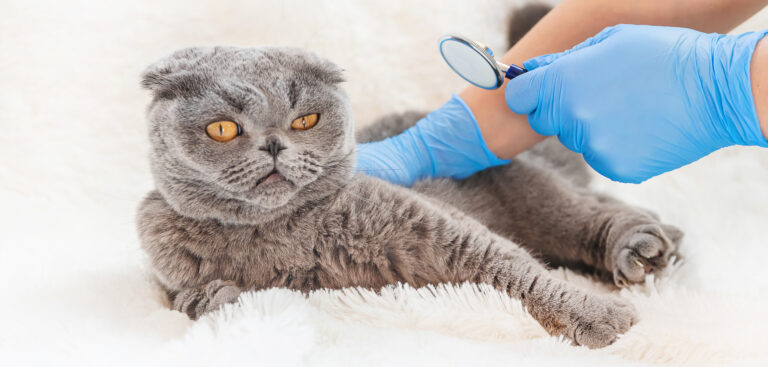
A dental check-up is part of every wellness exam at our Mirdif clinic. Our vet looks at the teeth and gums, checks for pain, and grades any tartar and gum disease. If a dental clean is needed, we explain what it involves and give you a clear plan.
What Is a Professional Dental Clean?
A proper dental clean is done under general anaesthesia, because pets will not keep still for cleaning under the gumline, where most disease is. It usually includes:
- A pre-anaesthetic check, often with blood tests from our in-house laboratory, to make sure anaesthesia is safe.
- Scaling above and below the gumline to remove tartar and bacteria.
- Dental X-rays where needed, to check tooth roots and bone that cannot be seen by eye.
- Treatment of problem teeth, such as extracting teeth that are loose, broken or infected.
- Polishing to smooth the tooth surface so plaque builds up more slowly.
Most pets go home the same day, with pain relief if any teeth were removed.

Home Dental Care That Works
Brush their teeth
Daily brushing is the best way to slow plaque. Use a soft pet toothbrush or finger brush and pet toothpaste only. Human toothpaste can contain ingredients that are harmful to pets, such as xylitol and high fluoride.
Start slowly
- Begin by letting your pet lick a little pet toothpaste from your finger.
- Gently rub the outer surface of the teeth for a few seconds, then reward.
- Build up to a full brush over one to two weeks.
Use the right chews and diets
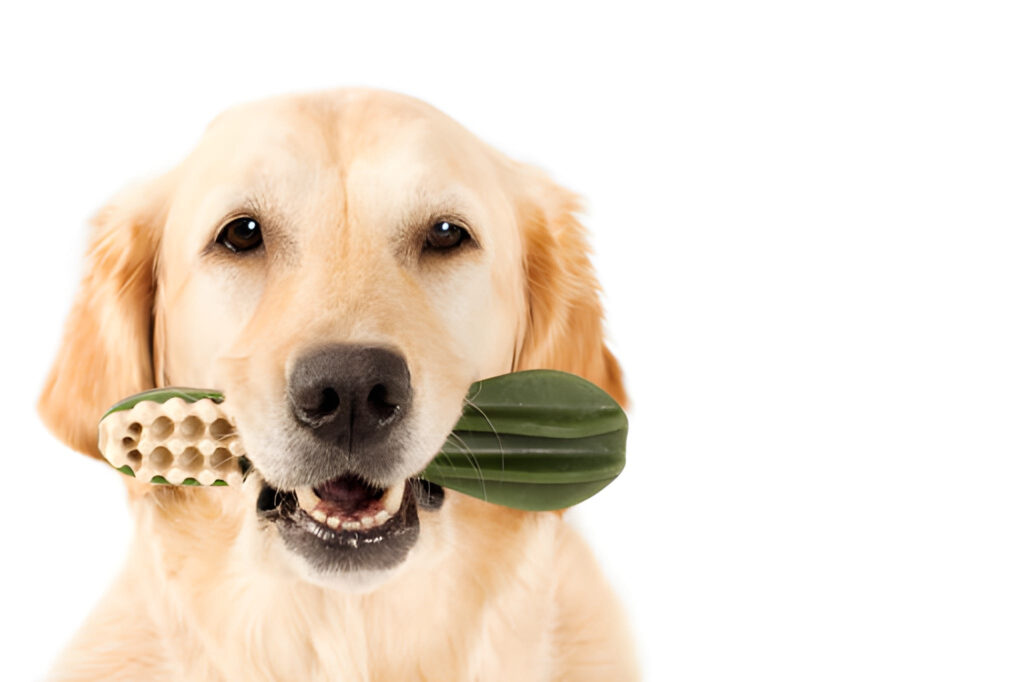
Some dental chews and dental diets are proven to reduce plaque. Avoid very hard chews such as bones, antlers and hard plastic toys, which can fracture teeth. Our in-house pharmacy stocks vet-approved dental diets and chews.
Frequently Asked Questions
How often does my pet need a dental clean?
It depends on your pet. Some need a clean every year, others less often. Small dog breeds and some cats build up tartar faster. Your vet will advise at each check-up.
Is anaesthesia safe for dental cleaning?
Modern anaesthesia is very safe for most pets. We check your pet’s health first and monitor them throughout the procedure.
Can I just scrape the tartar off myself?
No. Scraping the visible tartar does not treat the disease under the gumline and can damage the teeth and gums.
Dental Care in Mirdif
Noticed bad breath or red gums? Synergy Veterinary Clinic on 37th St, Mirdif, offers dental check-ups, cleaning and dental procedures, close to Mizhar, Al Warqa, Rashidiya and Mushrif. Message us on WhatsApp or call 055 286 6044. New clients get 50% off their pet’s first consultation, and our annual memberships include discounts on dental care.