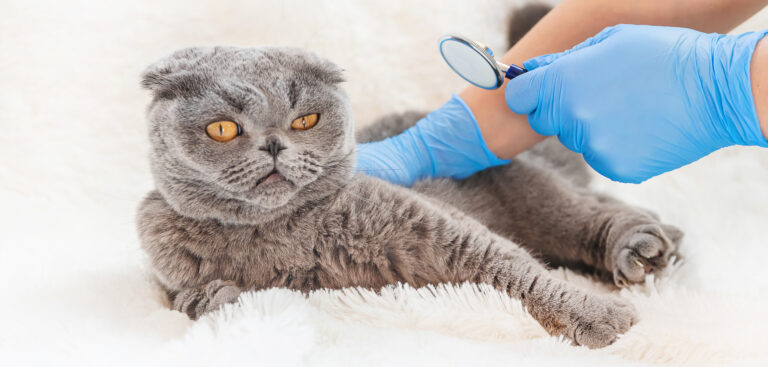
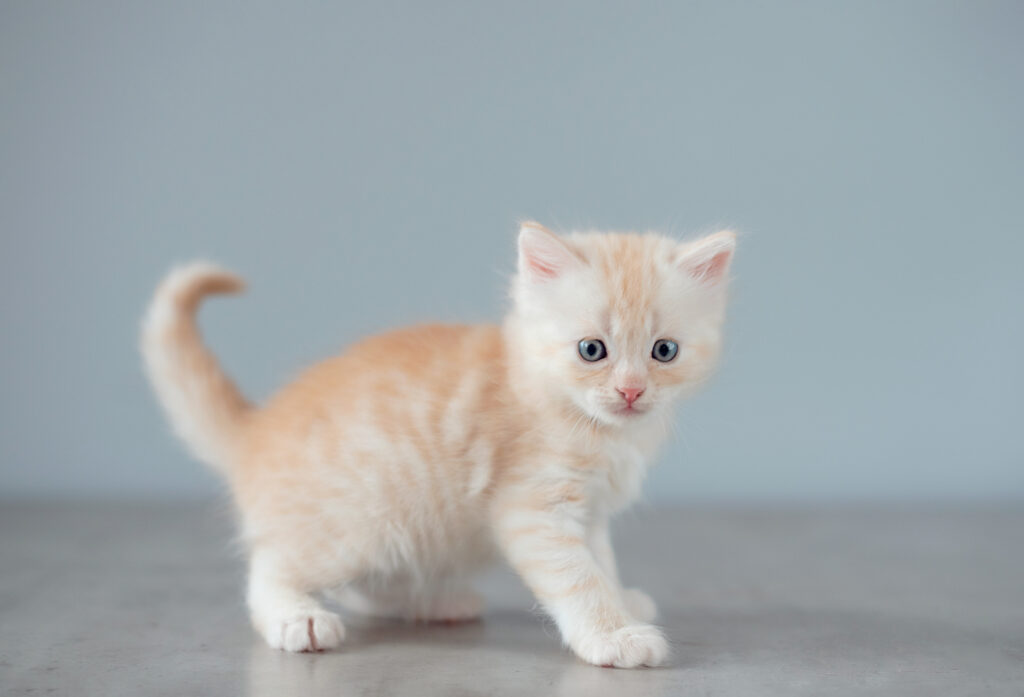
Feline panleukopenia, also known as feline distemper or cat parvo, is a highly contagious virus that can kill a kitten within days. Cats of any age can catch it, but kittens are most at risk. It is also one of the reasons the core cat vaccine is so important, even for cats that live indoors.
Why Panleukopenia Is So Dangerous
The virus attacks rapidly dividing cells, especially in the gut and the bone marrow. This destroys the white blood cells that fight infection (the name “panleukopenia” means a low number of all white blood cells). Death rates are very high in kittens: in published studies, more than 90% of infected kittens die.
Kittens infected before birth or in their first days of life can also suffer permanent damage to the part of the brain that controls balance, leaving them wobbly for life.
How It Spreads
Infected cats pass the virus mainly in their faeces. Other cats catch it from contaminated litter trays, bowls, bedding, hands, shoes and clothes. The virus is extremely tough and can survive in the environment for up to a year, so an indoor cat can be exposed without ever meeting another cat.
Signs to Watch For
- Sudden tiredness and hiding
- Not eating
- Vomiting and diarrhoea
- Fever
- Rapid weight loss and dehydration
- In some kittens, sudden collapse with few warning signs
A kitten with vomiting, diarrhoea or that stops eating needs a vet the same day. Kittens become dangerously dehydrated very quickly.
Diagnosis and Treatment
A quick test on a faecal sample can detect the virus, and a blood test usually shows a very low white blood cell count. There is no medicine that kills the virus, so treatment focuses on supporting the cat through the illness: fluids, anti-sickness medicine, antibiotics to prevent secondary infections, nutrition and careful monitoring in isolation. Some cats pull through with intensive care, but the outlook is always serious.
Prevention
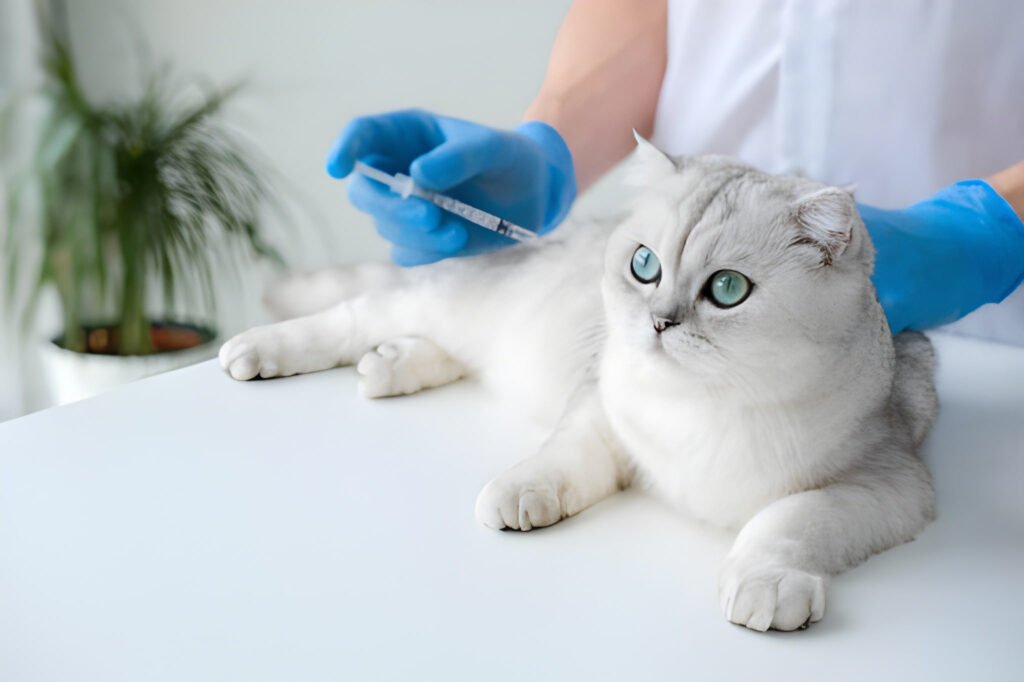
- Vaccinate every kitten with the full course. The panleukopenia vaccine is a core vaccine that all kittens should receive. Kittens under about four months can still be at risk because antibodies from their mother can interfere with the vaccine, which is why the course is completed with several doses.
- Keep adult cats up to date, including indoor cats.
- Keep new kittens apart from other cats until they have been checked and vaccinated.
- Disinfect properly. Many household cleaners do not kill this virus, but diluted bleach and some veterinary disinfectants do. If you have lost a cat to panleukopenia, ask us before bringing a new kitten home.
Our Puppy & Kitten Starter package covers the core vaccines, consultations, deworming and a microchip.
Frequently Asked Questions
My cat never goes outside. Does it still need this vaccine?
Yes. The virus survives for months in the environment and can be carried into your home on shoes, clothes and objects, so indoor cats can still be infected.
Can dogs catch feline panleukopenia?
Feline panleukopenia is a cat disease. Dogs have their own parvovirus and should be vaccinated against it separately.
Can a cat survive panleukopenia?
Some cats do survive with early, intensive treatment, especially adult cats. Kittens are much more likely to die, which is why vaccination is so important.
Kitten Vaccinations and Checks in Mirdif
Worried about your pet? Synergy Veterinary Clinic on 37th St, Mirdif, is close to Mizhar, Al Warqa, Rashidiya and Uptown Mirdif. Message us on WhatsApp or call 055 286 6044. Outside our opening hours, go to the nearest 24-hour emergency vet. New clients get 50% off their pet’s first consultation.