
Canine parvovirus, usually called parvo, is one of the most serious diseases a puppy can catch. It spreads easily, attacks the gut and the immune system, and can become life-threatening within days. The good news is that it is preventable with vaccination, and many dogs survive when they are treated early.
This guide explains the signs to watch for, what treatment involves, and how to keep your puppy safe in Dubai.
Which Dogs Are Most at Risk?
Parvo can infect any unvaccinated dog, but it most commonly affects puppies between 6 weeks and 6 months old. At this age, the protection a puppy gets from its mother’s milk is fading, and its own vaccinations may not be complete yet. Puppies from crowded or unknown sources, and dogs with missed boosters, are at higher risk.
How Parvo Spreads
The virus is passed in the faeces of infected dogs. Dogs catch it by sniffing, licking or eating anything contaminated, and the virus can be carried on shoes, hands, bowls, leads and bedding. It is very hardy and can survive for a long time in the environment, so a puppy does not need to meet a sick dog to catch it.
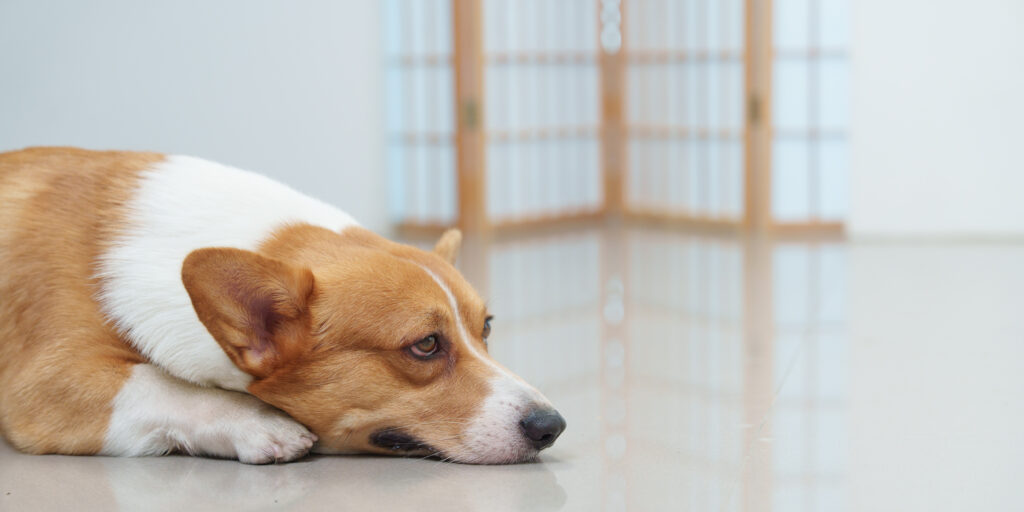
Signs of Parvo
The first signs are often tiredness and a poor appetite, followed quickly by:
- Vomiting
- Diarrhoea, often with blood and a strong smell
- Fever, or a low body temperature in severe cases
- Belly pain and weakness
- Rapid dehydration
Any puppy or unvaccinated dog with vomiting or diarrhoea should see a vet the same day. Most deaths from parvo happen within 48 to 72 hours of the first signs, so waiting to see if it improves is dangerous.
How Parvo Is Diagnosed and Treated
A quick test on a faecal sample can usually confirm parvo in the clinic, and blood tests show how badly the immune system is affected. There is no medicine that simply “cures” the virus, so treatment supports the dog while its body fights the infection. This usually means:
- Intravenous fluids to correct dehydration
- Anti-sickness medicine and pain relief
- Antibiotics to prevent infections from the damaged gut
- Careful nutrition and close monitoring, often in hospital
Most dogs will not survive without treatment. With early, intensive care, many puppies recover fully.
Prevention: Vaccination and Hygiene
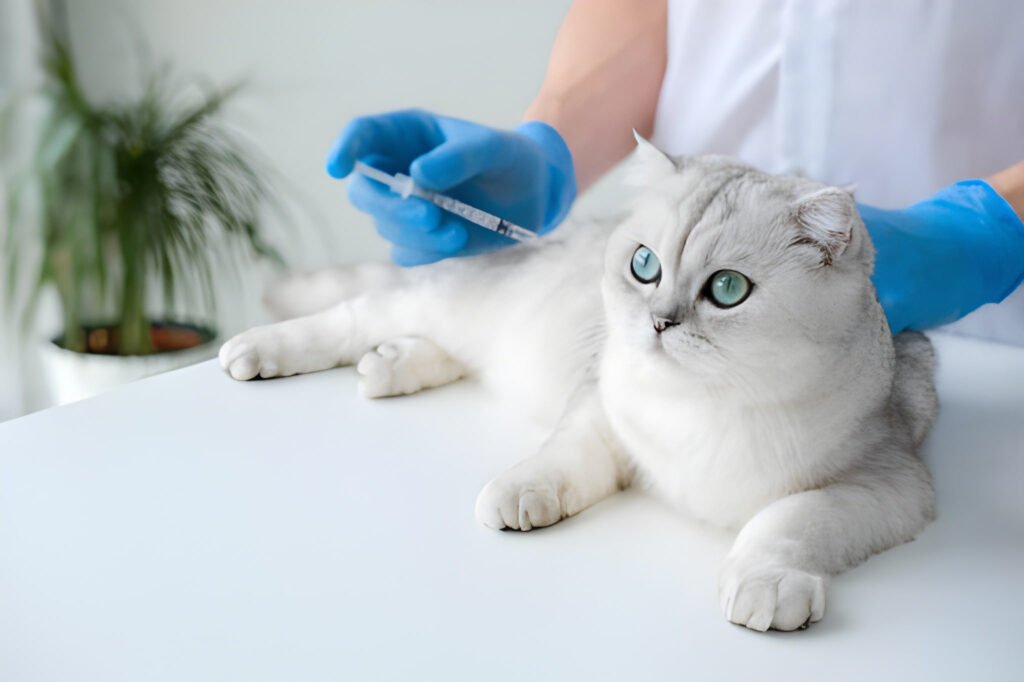
- Complete the full puppy vaccination course. Puppies need a series of vaccines, and the final dose is given at around 14 to 16 weeks of age. Our Puppy & Kitten Starter package includes the core vaccines, consultations and deworming.
- Keep adult dogs up to date. In Dubai, dogs receive regular booster vaccinations along with their yearly rabies vaccine.
- Keep young puppies away from parks, pavements and unknown dogs until their vaccinations are complete.
- Clean properly. Parvo is not killed by many ordinary household cleaners. If your home has had a dog with parvo, ask us which disinfectant to use and how long to wait before bringing in a new puppy.
Read more in our pet vaccination schedule for Dubai.
Frequently Asked Questions
Can a vaccinated dog get parvo?
It is rare in dogs that have completed their vaccinations. Puppies are most at risk before their vaccine course is finished, which is why the final puppy dose and regular boosters matter.
Can adult dogs get parvo?
Yes. Unvaccinated dogs of any age can catch parvo, although puppies are affected most often and most severely.
Can people or cats catch parvo from my dog?
Canine parvovirus does not make people ill. Cats have their own form of parvovirus, called feline panleukopenia, and should be vaccinated against it.
Parvo Testing and Puppy Vaccinations in Mirdif
Worried about your pet? Synergy Veterinary Clinic on 37th St, Mirdif, is close to Mizhar, Al Warqa, Rashidiya and Uptown Mirdif. Message us on WhatsApp or call 055 286 6044. Outside our opening hours, go to the nearest 24-hour emergency vet. New clients get 50% off their pet’s first consultation.