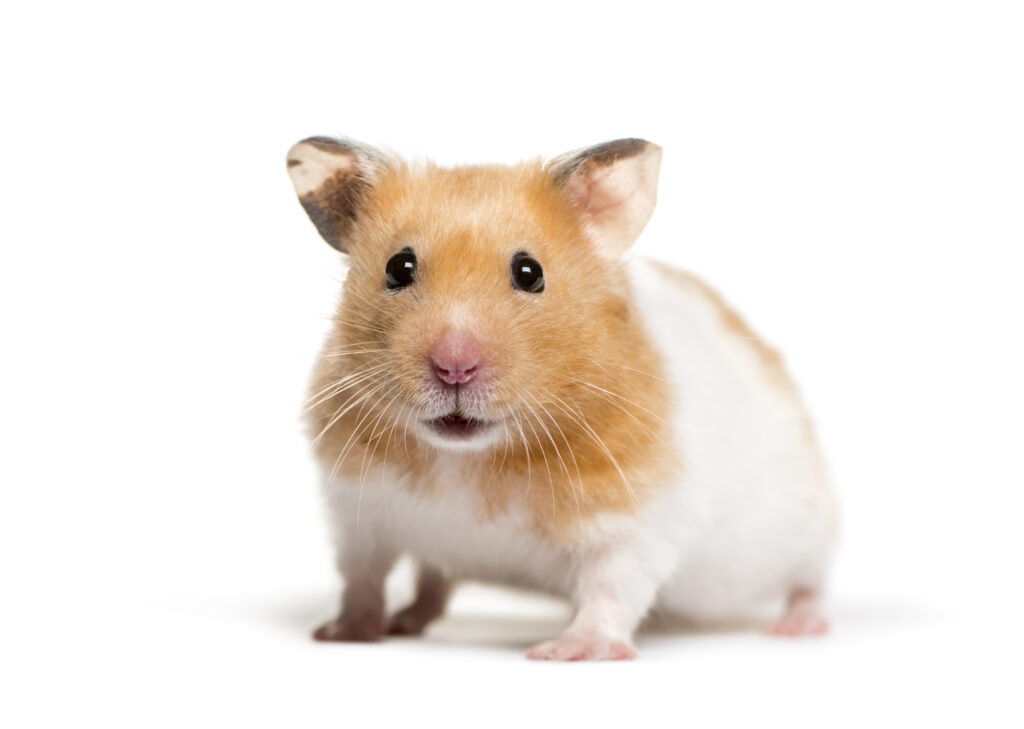
Hamsters are often a child’s first pet, and many families in Mirdif, Al Warqa and Mizhar keep one. They are small and easy to care for, but they have short lives and become ill quickly, so it helps to know what is normal and when to worry.
Know Your Hamster Type
- Syrian (golden) hamsters are the largest and must live alone. Adult Syrians will fight, sometimes badly, if kept together.
- Dwarf hamsters (such as Roborovski, Campbell’s and Winter White) are smaller. Some can live in pairs, but fighting is still common, so watch closely and separate them if needed.
Hamsters are mostly active in the evening and at night. Let them sleep during the day and avoid waking them.
A Good Home
- Bigger is better. Many hamster cages sold in shops are too small. Choose the largest enclosure you can, with plenty of floor space.
- Deep bedding of paper-based litter so they can burrow, which is natural and reduces stress.
- A solid running wheel large enough that your hamster’s back stays straight. Avoid wheels with bars or gaps.
- Hiding places, chew toys and a sand bath, especially for dwarf hamsters.
- Keep the cage in a cool, air-conditioned room, away from direct sun, windows and the kitchen.
What to Feed
- Good-quality hamster pellets or lab blocks as the base diet
- A small amount of seed mix
- Small pieces of fresh vegetables a few times a week
- Fresh water every day
Avoid sugary treats, chocolate, onion, garlic and citrus. Hamsters store food in their cheeks and around the cage, so remove fresh food that has been hoarded before it spoils.
Heat Is Dangerous for Hamsters
Hamsters overheat easily in the UAE, especially during power cuts or if the cage is near a window. A hamster that is lying flat, breathing fast or very weak needs to be cooled gently and seen by a vet urgently.
Common Health Problems
Wet tail: an emergency
“Wet tail” is severe diarrhoea that leaves the area under the tail wet and dirty. It is most common in young Syrian hamsters, often after stress such as moving home. It can be fatal within a day or two, so bring your hamster in the same day.
Overgrown teeth
Hamster teeth grow constantly. If they overgrow, hamsters stop eating and lose weight. Chew toys and a good diet help.
Cheek pouch problems
Food can get stuck in the pouches and cause swelling or infection. A lump on the face that does not go away needs checking.
Lumps and bumps
Older hamsters often develop lumps. Some are harmless, others need treatment, so let us examine any new lump.
Skin problems
Hair loss, flaky skin or constant scratching can be caused by mites or fungal infections.
Handling Tips for Children
- Always hold hamsters low, close to the floor, as a fall can cause serious injury.
- Let the hamster walk onto an open hand rather than grabbing from above.
- Wash hands before and after handling.
- An adult should check on the hamster’s food, water and health every day.
Frequently Asked Questions
How long do hamsters live?
Most hamsters live about 2 to 3 years, so regular checks help them enjoy that time healthily.
Can a vet treat a hamster?
Yes. At Synergy we see hamsters and other small pets, and can treat problems like wet tail, dental disease, skin conditions and lumps.
Is it normal for my hamster to sleep all day?
Yes. Hamsters are active at dusk and at night. A hamster that is weak or uninterested in food at night, however, should be checked.
Small Pet Care in Mirdif
Synergy Veterinary Clinic on 37th St, Mirdif, cares for hamsters, guinea pigs, rabbits, birds and other exotic pets, close to Mizhar, Al Warqa, Rashidiya and Uptown Mirdif. Message us on WhatsApp or call 055 286 6044. Also read our guinea pig care guide.